



Ganja on the Rise: How Kamla's War on Drug Boats is Sparking Fury Among Trinidad's Cannabis Crowd
.jpeg&w=750&q=75)
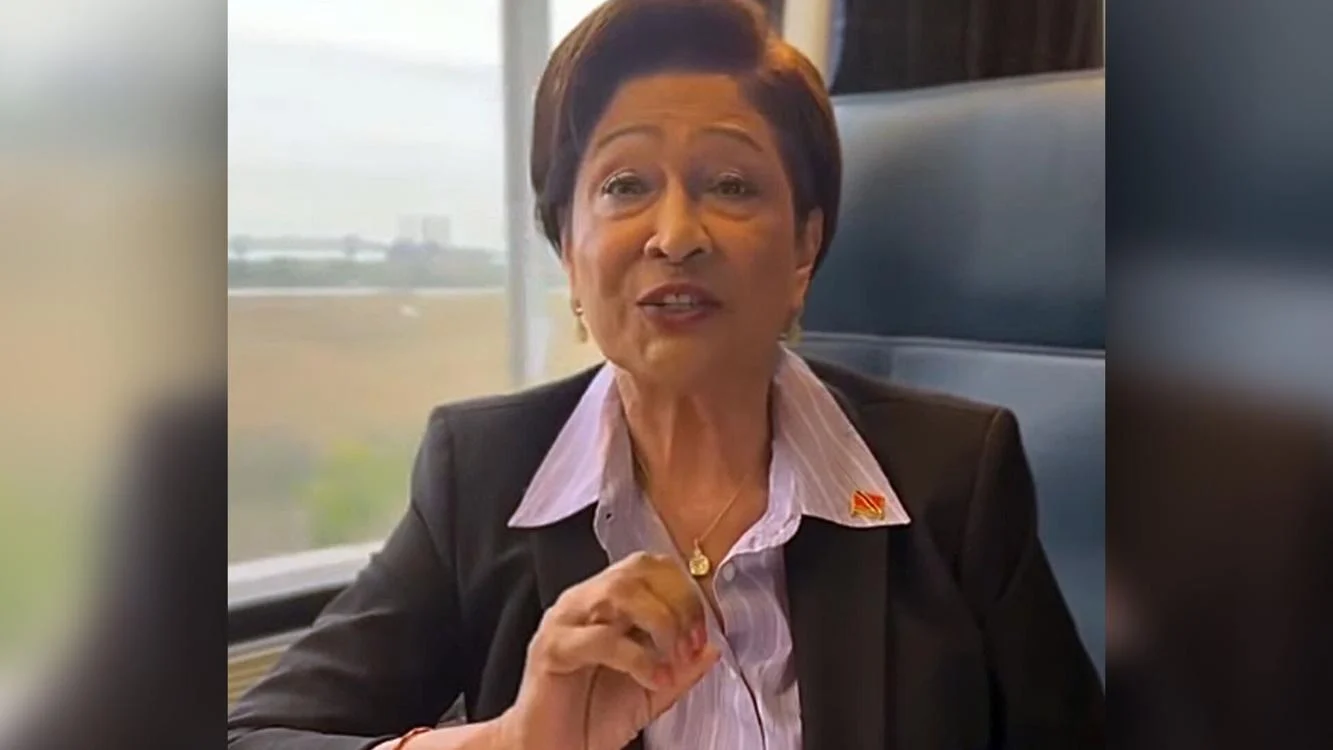
In the humid back alleys and bustling street corners of Trinidad and Tobago, where the scent of "creepy" Colombian kush once mingled freely with the island's tropical breeze, a quiet revolution is brewing—not in smoke-filled rooms, but in empty wallets. Six months into Prime Minister Kamla Persad-Bissessar's aggressive alliance with U.S.-led anti-drug operations, the price of marijuana has skyrocketed, leaving users and small-time dealers fuming. "Ganja people hate Kamla more than Keith now," vented Nazma Muller, founder of the Caribbean Union of Herb Farmers, in a pointed X post that has ignited a firestorm of online backlash. "She fuck up the market in 6 months more than Rowley ever did in ten years."
Muller's words, raw and unfiltered, cut to the heart of a growing rift between the government's hardline stance on narcotics and the everyday realities of those caught in the crossfire. It's a sentiment echoing across social media, where hashtags like #KamlaKillsTheVibes and #GanjaGoneUp are trending among frustrated youth and herbal advocates. But to understand the heat, we need to unpack the spark: Persad-Bissessar's bold claim that surging street prices are "proof" her strategy is working.
The Strikes That Shook the Supply Chain
It all traces back to September 2025, when U.S. forces, under President Donald Trump's renewed "war on drugs," unleashed a barrage of kinetic strikes on suspected trafficking vessels in the southern Caribbean. Dubbed "Operation Tidal Hammer," these airstrikes targeted boats allegedly linked to Venezuelan and Colombian cartels, including the notorious Tren de Aragua gang, funneling narcotics toward Trinidad and Tobago's shores. The operations have been lethal—dozens killed, including a September strike that claimed 11 lives—and unapologetically so.
Enter Persad-Bissessar, who has positioned herself as the Caribbean's staunchest cheerleader for the campaign. In a fiery statement last month, she praised the U.S. actions, declaring, "I have no sympathy for traffickers; the U.S. military should kill them all violently." By early November, during a TV6 interview, she doubled down, citing intelligence reports of disrupted routes as evidence of success. "Yes, there definitely has been a reduction," she said, pointing to street price hikes as irrefutable proof. "This is evidenced by an increase in ganja and cocaine prices on the streets... Fish prices remain the same, so clearly fishermen are still out in the sea working despite all the misinformation."
The numbers back her up, at least on paper. Trinidad and Tobago Police Service (TTPS) Commissioner Allister Guevarro confirmed a "marked increase" in illegal drug costs, attributing it to a supply shortage. Since the strikes began, authorities have seized nearly two tonnes of high-grade marijuana, including 268 kg of "creepy" Colombian kush off Point Fortin on September 12 (valued at TT$29 million), 201 kg in Fyzabad on September 30 (TT$22 million), and a whopping 1,177 kg in Palo Seco on October 1 (TT$292 million). Street prices for ganja have jumped 33%, from around TT$1,800 per pound to nearly TT$6,000 in some areas, while cocaine has surged 55%, according to dealer whispers reported by Newsday. Cocaine, Guevarro noted, is "in business terms, when there is shortage in supply, cost goes up."
For Persad-Bissessar and her supporters, this is a win against the cartels that have flooded the islands with guns, drugs, and violence, contributing to two states of emergency in recent years. "Restricting illegal guns, drugs, and human trafficking would decrease violence," she argued in an Associated Press interview, framing the strikes as a necessary evil to protect law-abiding citizens.
The Backlash: From Maduro to Marijuana Users
Not everyone is toasting the disruption. Venezuelan President Nicolás Maduro has branded Persad-Bissessar "persona non grata," accusing her of "destroying historic bonds" between nations and severing gas supplies in retaliation. Mass protests erupted across Venezuelan states last week, fueled by the docking of the U.S. guided-missile destroyer USS Gravely in Trinidad waters. Regional leaders, from CARICOM allies to Caribbean activists, have decried the strikes as reckless vigilantism, with critics like CNN commentators questioning whether the boats were even carrying drugs.
But the sharpest barbs are coming from home—from the very "ganja people" Muller champions. On X, her post has drawn a chorus of agreement, with users like @TheyLovethePuff blasting, "And FUCK Kamla while we at it. Literally manufacturing consent for US occupation." Another, @suite868 , lamented, "It took Kamla 6 short months to completely ruin our relationship with CARICOM." The frustration boils down to economics: For casual users, medical advocates, and low-level sellers scraping by, the price spike isn't victory—it's catastrophe.
Trinidad's cannabis scene has long been a cultural staple, decriminalized for small amounts since 2019 under then-Prime Minister Keith Rowley's administration (up to 30 grams possession and four plants per household). Rowley, now opposition leader and a frequent Persad-Bissessar foil, is remembered for a lighter touch—more talk of regulation than outright interdiction. Muller's quip that Kamla outdid Rowley's "ten years" of perceived market meddling in just six months resonates because it does: Under Rowley, ganja flowed steadily, prices stable. Now, with U.S. drones overhead and TTPS raids intensifying, supply lines from Venezuela and Colombia are choked, pushing desperate traffickers toward riskier routes or domestic grows that police are already targeting.
"It's not just about the high," one anonymous dealer told Trinidad Express. "Families rely on this trade to eat. Kamla's playing hero with American bombs, but we're the ones paying." X threads are rife with memes of empty baggies captioned "Thanks, Kamla—vibes killed, wallet too." Even fisherfolk, caught in the crosshairs, are being warned by the PM herself not to stray beyond territorial waters, lest they be mistaken for smugglers.
A Deeper High: Prohibition vs. Reality
Beneath the price gripes lies a thornier debate. Trinidad ranks as the world's second-most unhappy nation, per recent global indexes, breeding grounds for substance abuse amid economic stagnation. As activist @camara_med posted on X, "The battle started with Pegga gin, then Tramadol, now kush... We treat symptoms, not roots." Critics argue Persad-Bissessar's pharma-friendly prohibitionism—pushing pills over plants—ignores ganja's potential medical and cultural roles, especially as global legalization sweeps the Americas.
Muller, with her herb farmers' union, embodies this pushback. Her X profile, modest with 136 followers, punches above its weight in advocacy, calling for sustainable cultivation over suppression. "These strikes aren't saving lives; they're starving communities," her post implies, framing the market crash as collateral damage in a geopolitical game.
Where the Smoke Clears
For now, in Port of Spain's shadowed corners, the only thing rising faster than ganja prices is the ire against the woman who lit the fuse. "Proof it's working?" one X user scoffed. "Proof she's out of touch." As the U.S. armada lingers and Maduro's protests simmer, one thing's clear: In the war on drugs, not everyone's fighting on the same side—and the ganja crowd? They're drawing a line in the sand, one pricey pound at a time.